What are the Pros and Cons of Winter Tires?
Winter tires take the cold-weather abilities of those all-season tires and
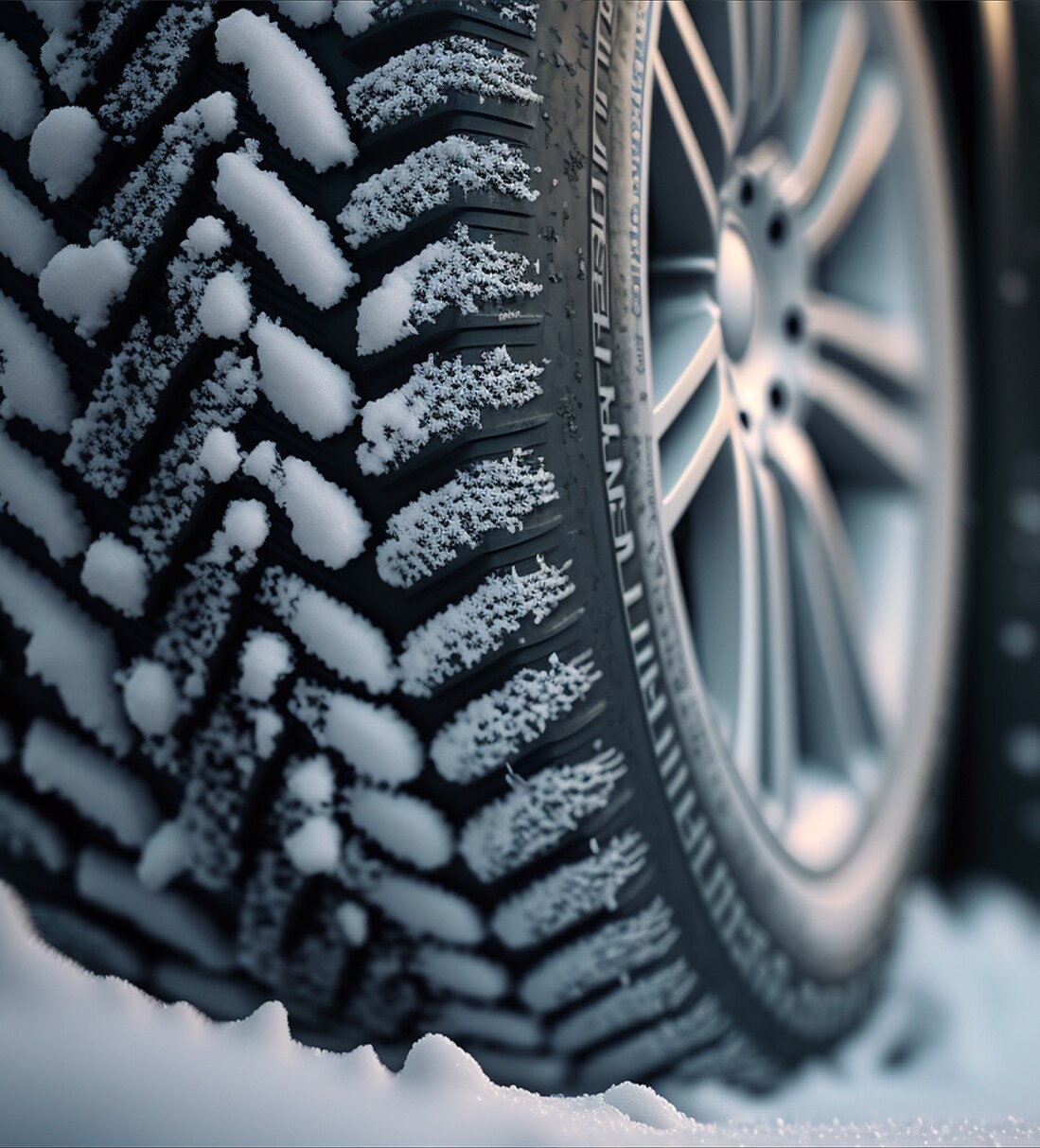
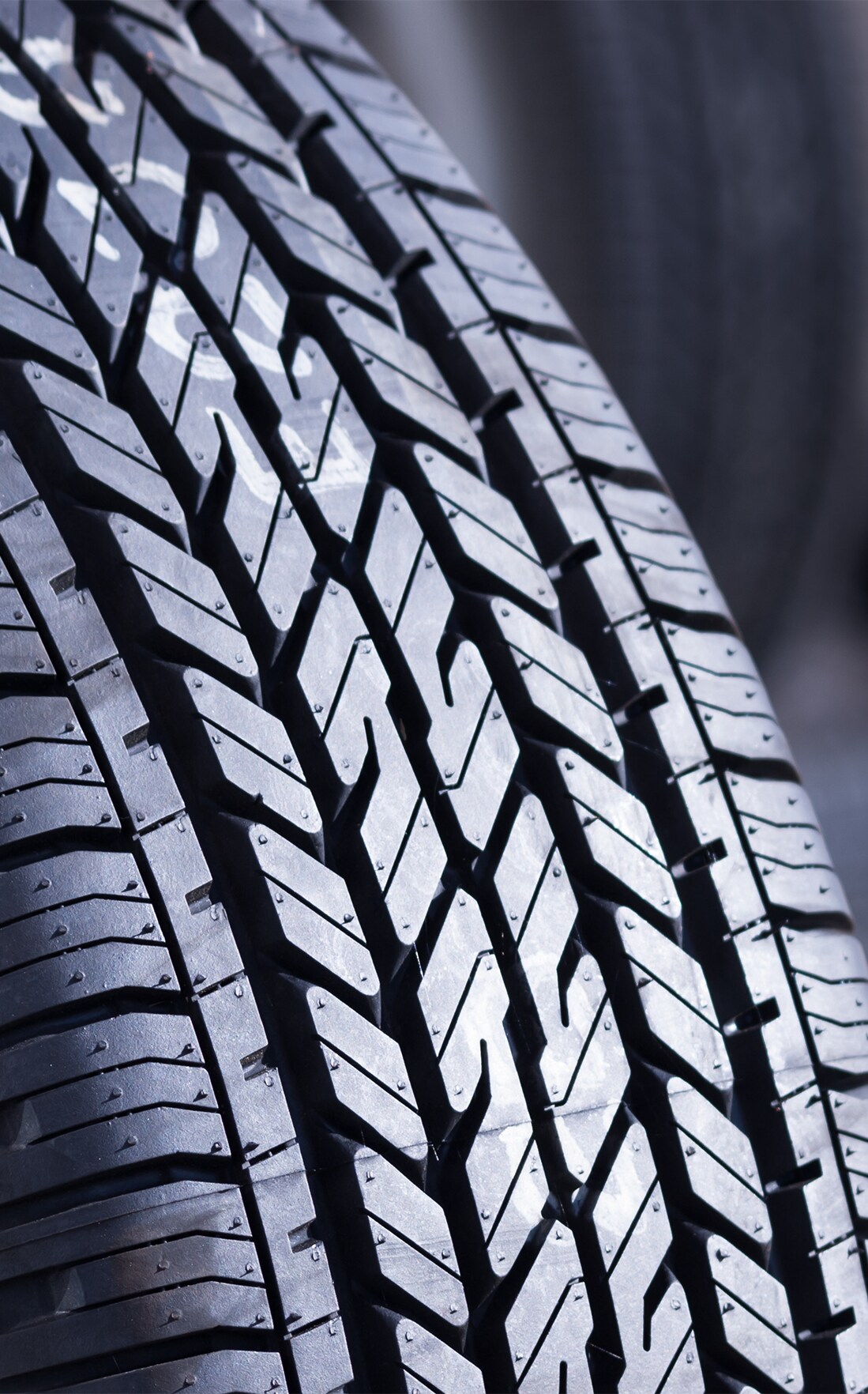
turn them up! The tread compound in winter tires has been developed to remain flexible, even if you’re dealing with weeks on end of below-freezing temperatures. The treads themselves are different, with deeper grooves and sharper, more erratic patterns than the all-season tires. These treads channel snow and slush to the outside of the tires, where deep shoulder grooves send it outwards. Hundreds of straight, horizontal or angled biting edges allow the tires to dig into the snow and even bite into ice to prevent slippage, allowing even the
most powerful supercars to remain composed under the snowiest conditions. Winter tires offer
improved braking and handling in the snow and ice as well.
Of course, this focused performance means that, outside of those poor winter weather months, these tires are
not the best choice. In warm weather and on warmer asphalt, when there is high friction and very little moisture, that rubber compound that stays flexible in the cool temperatures will wear down at an accelerated rate, and chew through those tires fast. Winter tires should last you up to 4 seasons if changed regularly, but you may only get a single season if you try and run them year-round.
Winter tires are also tough on the roads. The deep biting treads will do the same thing to smooth asphalt as they do to smooth ice – dig into them. This can wear down the roads as well as the tires. They also create
more rolling resistance in the warm months, which can lead to higher costs at the fuel pumps. Finally, they don’t offer great handling, and compromise cornering, braking and acceleration in higher temperatures.